The second U.S. and Israeli forces struck Iranian nuclear and military infrastructure in early March 2026, oil traders in London and New York reacted like someone had lit a fire under their chairs. Brent crude, the international benchmark, blew past $100 per barrel within 48 hours. It hasn't come back down.
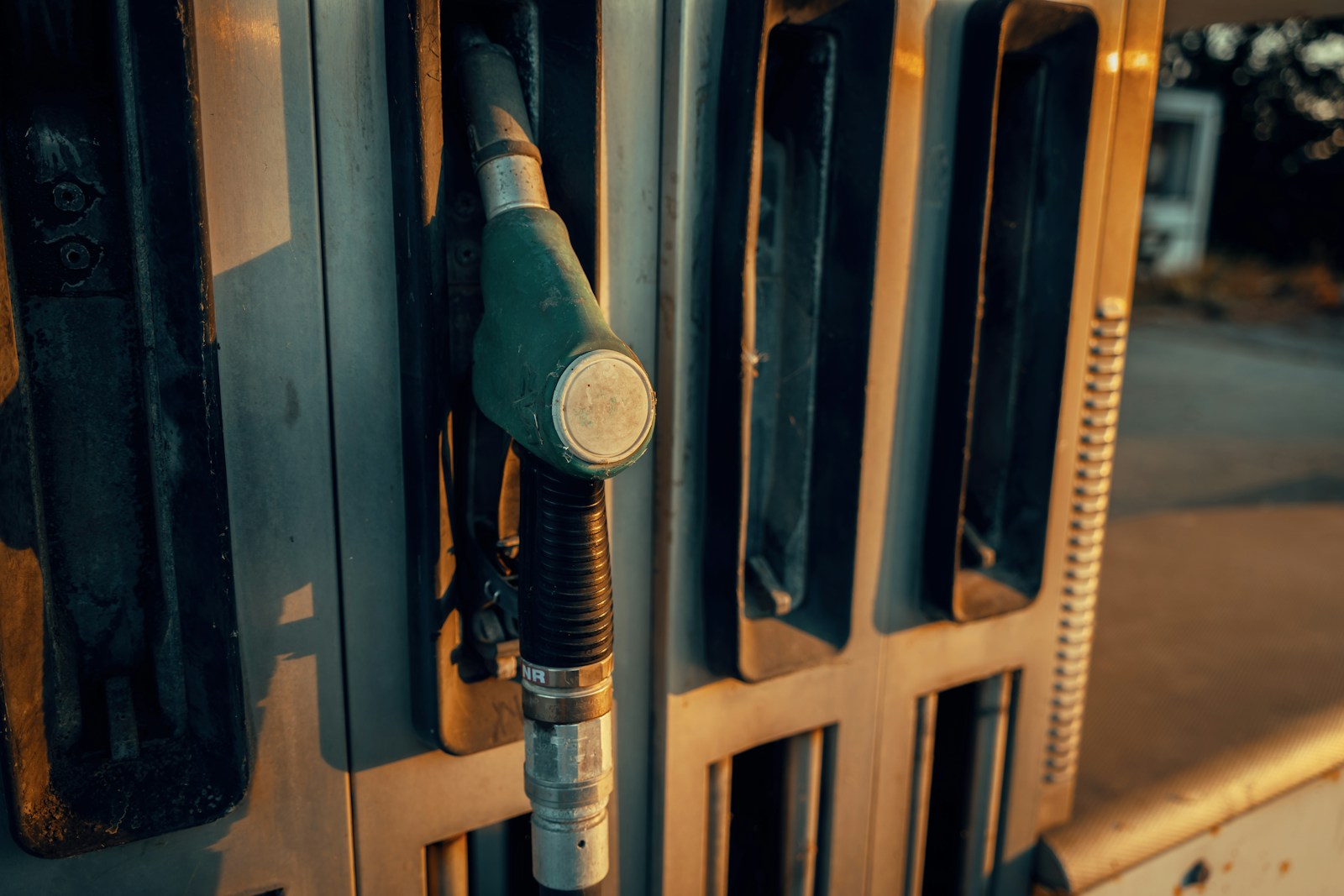
For most people, a barrel price is just a number until they pull up to the pump. The U.S. national average for regular unleaded sat around $3.30 at the start of 2026. A week after the strikes it was $3.57—a 27-cent jump that works out to roughly $4 more per fill-up for the average sedan. Multiply that across two cars, a long commute, or a truck that takes premium, and it adds up fast.
Why does this happen so quickly? About 21 million barrels of oil pass through the Strait of Hormuz every single day—roughly one-fifth of everything the world burns. Even a partial disruption, whether from Iranian mines, drone attacks on tankers, or just fear running through the market, squeezes supply faster than U.S. shale producers can make up the difference. The EIA has pointed out that while domestic production is near record highs, refiners on the Gulf and East coasts still depend heavily on blended imports, which are now priced at a steep premium.
And it doesn't stop at the pump. Diesel powers every long-haul truck, freight train, and construction machine in the country. When diesel goes up, so does the cost of moving anything—food, lumber, consumer electronics, medicine. Goldman Sachs warned last week that if Brent holds above $105 for 30 days, expect another 0.3 percentage points on the Consumer Price Index, effectively wiping out all the inflation progress the Fed fought for throughout 2024 and 2025.
For families earning around $40,000 a year and spending 8% of their income on gasoline, this isn't an abstract data point—it's hundreds of dollars that won't be going toward groceries, utilities, or debt.
Gasoline prices are one of those things voters feel personally, and presidents get blamed for personally, even when there's very little they can actually control. The administration is under real pressure to tap the Strategic Petroleum Reserve, lean on OPEC+ allies, and find some diplomatic off-ramp that eases the supply crunch. None of those moves have produced a meaningful price drop yet.