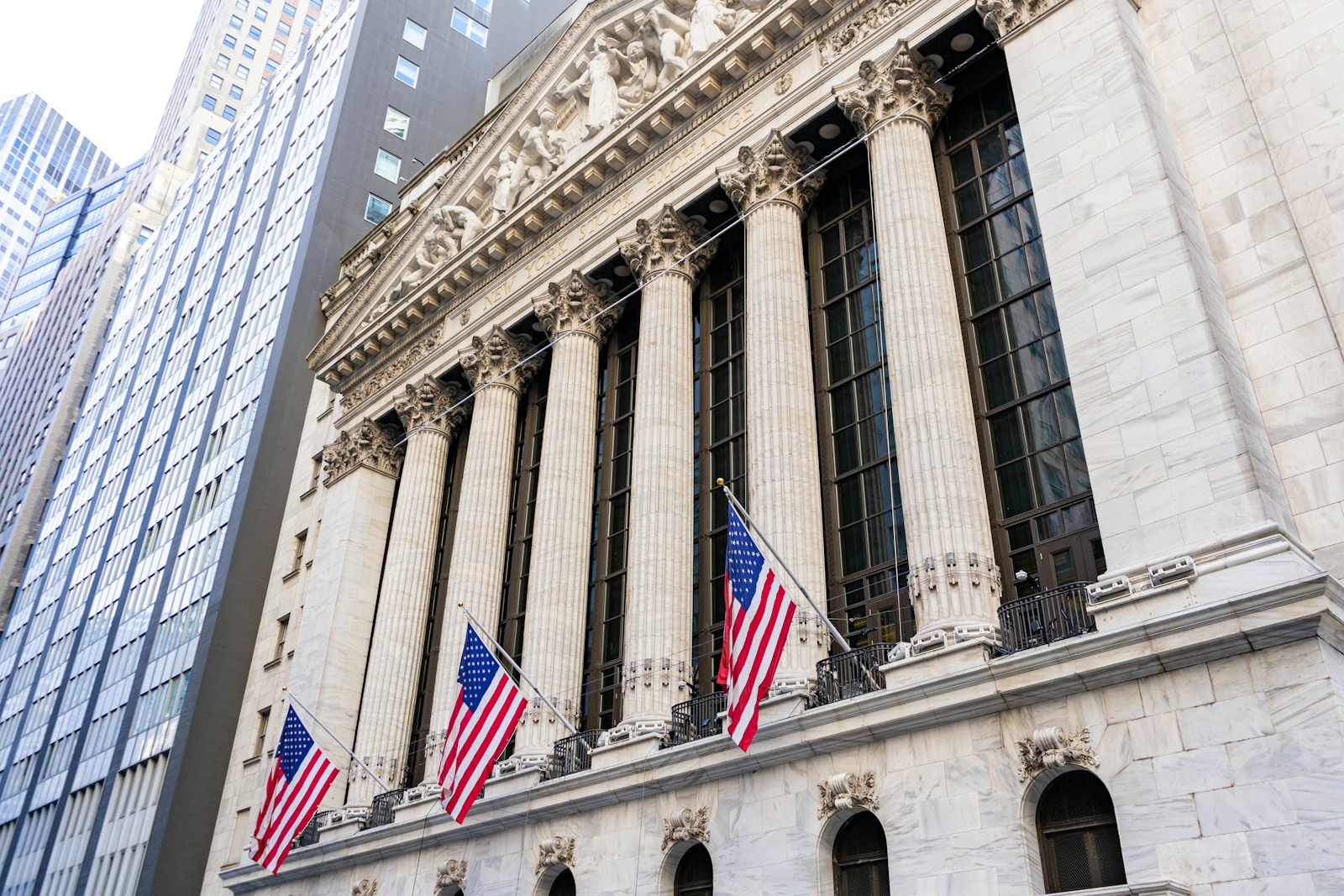
Check your 401(k) this week and you're probably looking at a lot of red. The Iran conflict has injected the kind of deep uncertainty into equity markets that traders price as an immediate discount on future earnings—and the math hasn't been kind.
In the two trading days after the initial U.S. strikes, the S&P 500 fell 4.7%, erasing roughly $2 trillion in market cap. The Nasdaq, heavy on technology companies with complex global supply chains and high valuation multiples sensitive to interest rate moves, dropped 6.1%. The Dow shed more than 1,800 points. Markets have partially recovered since, but they're still well below their pre-conflict peaks, and volatility—as measured by the VIX—remains at levels associated with crisis conditions.
For the 58% of American adults who own stocks directly or through retirement accounts, these swings mean real balance sheet pain. The average 401(k), which had climbed to around $134,000 by the end of 2025, has lost an estimated 6–8% since the conflict began. For someone five years from retirement with a $400,000 portfolio, a 7% decline is $28,000 in paper losses—an unsettling number, even if it might recover over time.
Who's winning? Defense contractors—Lockheed Martin, Raytheon (RTX), Northrop Grumman—are up 8–15% on expectations of accelerated weapons orders. Energy stocks are riding higher oil prices. But those gains get swamped by losses in travel, retail, technology, and financials, which dominate the index by market cap.
Gold, the classic safe-haven trade, has crossed $3,100 per troy ounce—a new all-time record—as investors look for somewhere to park money. The dollar has strengthened, which helps consumers buying imports but hurts American exporters and multinational corporate earnings.
For individual investors, the urge to sell into the drop is understandable. But financial advisors are uniformly saying the same thing: don't panic-sell. Historical data consistently shows that people who bail during geopolitical crises end up underperforming those who hold through it, because markets typically recover faster than the news cycle suggests. That said, anyone close to retirement or heavily concentrated in the hardest-hit sectors may genuinely need to reassess their exposure, timing concerns aside.
Options markets are pricing in elevated volatility through at least Q2 2026—a signal that professional traders aren't expecting a quick resolution.